Why Mascots Create Connection
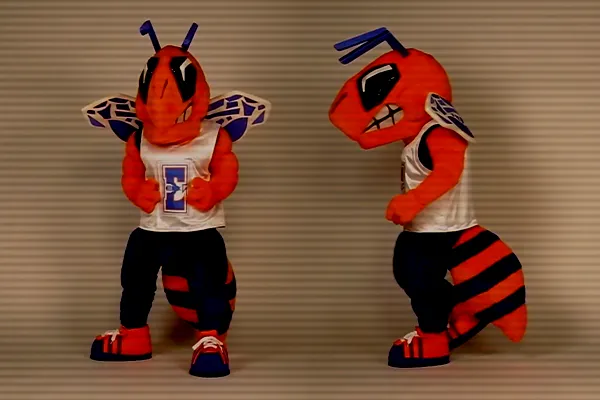
Some brands spend years trying to feel human. Mascots shortcut that process. That’s what made the Eastfield College campaign so effective. It wasn’t just about creating excitement around a school. It was about giving the brand a personality people could recognize instantly, connect with emotionally, and remember long after the commercial ended.
The moment a mascot appears on screen, the energy changes. Audiences lower their guard. The interaction feels less corporate and more personal. That matters because most advertising today is fighting for attention in environments overloaded with information, promotions, and noise.
A mascot cuts through that noise.
At Eastfield College, the mascot became more than a symbol of athletics or school pride. It became the emotional connector between the institution and the audience. Movement, humor, expression, unpredictability, and visual presence all worked together to create memorability. That’s what strong advertising does. It gives people something to feel, not just something to watch. Mascots work because they simplify recognition.
Think about some of the most recognizable brands in the world. Many of them rely on characters, icons, or personalities to build familiarity. Insurance companies, restaurants, retail brands, theme parks, banks, and sports organizations all use recognizable figures because audiences remember emotion faster than information. People may forget a slogan. They rarely forget a character that made them smile.
That’s especially important in industries where trust and connection matter. Credit unions are a perfect example. Financial institutions often struggle with appearing approachable or emotionally engaging. A mascot, spokesperson, or recognizable personality can soften the experience and create familiarity with members who may otherwise view financial messaging as cold or transactional. The same principle applies to colleges, healthcare organizations, nonprofits, community brands, and even B2B companies.
Connection creates recall. Recall creates trust. Trust creates action.
That’s the difference between advertising people scroll past and advertising they remember. What made the Eastfield campaign effective wasn’t just the mascot itself. It was how the mascot was integrated into the brand's energy. The pacing, reactions, movement, and interaction all reinforced a feeling. That’s an important distinction in modern advertising. Strong brands demonstrate identity visually and emotionally before they ever explain it verbally.
Today’s audiences consume content fast. Most businesses are still trying to overload viewers with information instead of creating immediate emotional understanding. Mascots help bridge that gap by serving as visual shorthand for a brand experience. And unlike trends that disappear every six months, recognizable characters can evolve with a brand over time while continuing to build equity year after year.
Why Mascots Work Across Industries
They create instant visual recognition.
They humanize brands
They increase memorability
They improve audience engagement.
They help brands feel approachable.
They strengthen emotional connection.
They encourage social sharing and interaction.
They create continuity across campaigns and platforms.
People naturally share content that entertains them or makes them feel included. A mascot gives audiences something recognizable to rally around. That creates stronger social interaction, increased tagging, and more organic conversation around a brand.
The Eastfield College campaign embraced that idea by leaning into fun rather than over-explaining the message. That confidence matters. Audiences are far more likely to engage with content that feels authentic and enjoyable than with content that feels overly promotional. That’s part of the larger philosophy behind our Clarity in Advertising series.
Great advertising is rarely about saying more. It’s about communicating more clearly.
If you enjoyed this breakdown, share it with someone passionate about branding, sports marketing, education marketing, or audience engagement. Every share helps us continue highlighting the strategy behind creative work and growing the Glint community.


